Meet the Top Red Bull Athletes
Discover the top Red Bull athletes competing in April 2026. Learn about their salaries, sports, and what makes them stand out in the Red Bull roster.


Red Bull athletes don't just compete for prize money or personal glory. They compete because Red Bull pays them to create content while they train, travel, and push limits in their sports. The brand has built a roster of 900+ athletes spanning mainstream and extreme disciplines, and the compensation structure treats content creation as seriously as podium finishes. Entry-level athletes start around $10,000 to $30,000 per year, while top performers clear $250,000 before performance bonuses kick in. The entire system works because Red Bull realized something most brands still haven't: athlete content performs better than ads, costs less to produce, and builds trust faster than any campaign you could buy. You don't need Red Bull's budget to use that same strategy. You just need access to the right athletes and a way to run campaigns at scale.
Who Are Red Bull Athletes and What Sports Do They Represent
Red Bull sponsors over 900 world-class athletes across more than 200 disciplines in 90 countries. Few brands in history have built a roster that wide.
The sports range from Formula 1 and soccer to BASE jumping, wingsuit flying, BMX, snowboarding, surfing, skateboarding, and mountain biking. Red Bull sits in an unusual position: it sponsors both mainstream stadium sports and disciplines most brands won't touch because the risk is too high.
What makes a Red Bull athlete different from a typical sponsored athlete? The brand gravitates toward performers who push limits in ways a camera loves. Speed, height, danger, and spectacle all play a role. Whether it's Max Verstappen setting lap records or a wingsuit pilot threading a mountain pass, the common thread is content that stops your scroll cold.
Understanding Red Bull Athlete Salaries and Compensation Structures
Red Bull doesn't publish a rate card, but the numbers that have surfaced paint a clear picture. The estimated average salary for a Red Bull athlete runs around $161,674 per year. That figure covers an enormous range.
Entry-level deals typically land between $10,000 and $30,000 annually, covering a wide range of compensation levels. For newer athletes, the value goes beyond the check. Red Bull layers in equipment, travel funding, and access to elite training resources that most independent athletes couldn't afford on their own.
At the top end, proven stars can surpass $250,000 per year before performance bonuses. Red Bull also gives its top athletes access to the Athlete Performance Centre, a recovery and training facility that carries real monetary value beyond any base rate.
| Tier Level | Annual Compensation Range | What's Included | Typical Athlete Profile |
|---|---|---|---|
| Entry-Level | $10,000 - $30,000 | Base compensation, equipment support, travel funding for key events, access to regional training resources | Rising talent with regional wins, growing social presence, competing at national level with growth potential |
| Mid-Tier | $50,000 - $100,000 | Increased base salary, full equipment package, international event support, content creation resources, Athlete Performance Centre access | Proven competitors with consistent podium finishes, strong content creation ability, international recognition in their discipline |
| Top-Tier | $250,000+ | Premium base compensation, performance bonuses, unlimited APC access, dedicated media support, global event participation, signature product collaborations | World champions, Olympic medalists, athletes generating millions of content views, cultural icons who drive brand narrative beyond competition results |
The structure rewards performance and marketability equally. An athlete who wins and creates compelling content will always out-earn one who only does one of the two.
Inside the Red Bull Athlete Performance Center
Red Bull's Athlete Performance Centre (APC) in Thalgau, Austria opened in 2019 and has logged thousands of athlete visits since. It functions less like a gym and more like a full athlete accelerator built around measurable results.
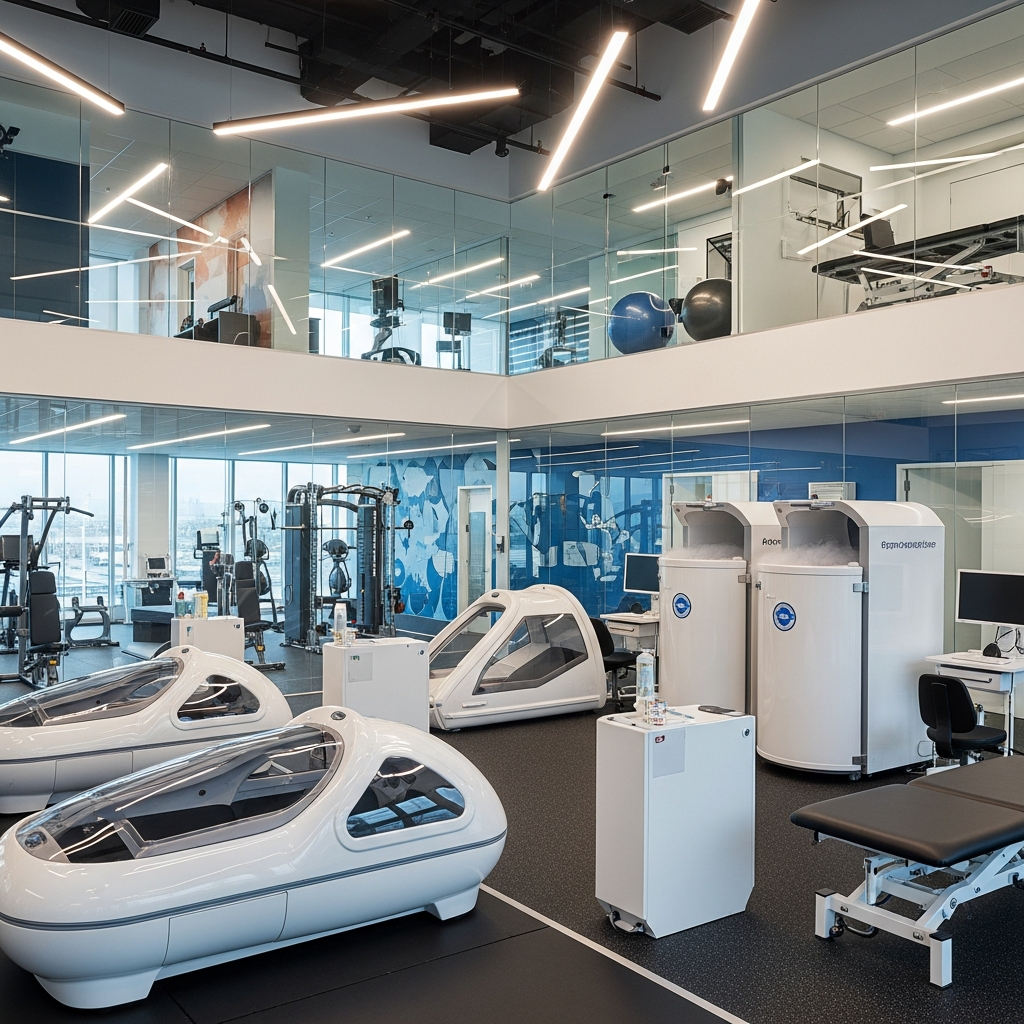
Services at the APC cover the full range of performance support:
- Physical training and strength conditioning to build sport-specific capacity
- Sports medicine and injury prevention to extend career longevity
- Mental performance coaching to sharpen focus under competition pressure
- Nutrition planning and analysis tailored to each athlete's demands
- Recovery tech including cryotherapy and physiotherapy
The facility gives Red Bull athletes access to expert support staff that most independent competitors simply can't afford. That's a real edge in sports where marginal gains decide careers.
For Red Bull, the APC also serves a strategic purpose. Athletes who train and recover better perform longer, generate more content, and stay relevant in the sponsorship conversation. Keeping athletes at peak performance protects the investment on both sides.
The Risks of Extreme Sports: Red Bull Athletes Who Have Died
Extreme sports carry real consequences. Over the past 25 years, at least 20 athletes sponsored by Red Bull or participating in Red Bull events have died, and nearly half of those deaths involved BASE jumping or wingsuit flying.
"The risk is part of the sport. We don't send people off a cliff. We support people who have already chosen to go."
That's been Red Bull's general defense, and it holds some weight. These athletes choose their disciplines before any sponsorship enters the picture. Critics argue, though, that the brand's content machine creates incentives to push further and document more, raising the stakes in already dangerous situations.
Red Bull has responded by funding safety research, working with governing bodies, and expanding Athletic Performance Centre resources. No facility eliminates the fundamental reality: some sports carry odds that training can only partially improve.
Notable Female Red Bull Athletes Breaking Barriers in 2026
Red Bull's female roster has grown steadily, and the athletes competing under that banner are among the best in their sports right now.
Mari Fukada is one of the standout names. The 18-year-old Japanese snowboarder has already claimed Big Air World Cup titles, competing against veterans twice her age. She's the kind of athlete Red Bull builds around: young, dominant, and compelling on camera.
Across disciplines, women are showing up in spaces Red Bull historically leaned male. Freeskiing, MTB freeride, and surf have all seen female Red Bull athletes push technical difficulty to levels that were considered out of reach just five years ago. Events like Red Bull Rampage have expanded to include women's competition, giving those athletes a stage that matches their ability.
The trend is straightforward: as female athletes generate more content and more cultural pull, sponsorship investment follows.
How to Become a Red Bull Athlete
There's no application form. You can't submit a resume or fill out a sponsorship request that leads anywhere meaningful. Red Bull scouts talent, and that distinction matters.
Here's what they watch for:
- Competition results at a national or international level that prove you belong at the top of your discipline
- A distinctive style or approach that reads as authentically yours, not borrowed from whoever's winning right now
- Social media presence that generates organic engagement from a real audience, not inflated follower counts
- Alignment with the brand's identity around pushing limits in ways that translate to content
Performance alone rarely seals it. Red Bull wants athletes who are also content creators. Someone who competes at a high level and documents their training, travel, and progression gives the brand something beyond podium finishes.
The path most athletes take starts with visibility. Win consistently, build a following, get coverage from media outlets in your discipline, and understand the basics in the NIL deals complete guide. Regional reps often make first contact once an athlete has built enough of a track record.
Being authentic matters more than being polished. Red Bull passes on manufactured athletes who felt manufactured and signed rough-around-the-edges competitors with genuine personality.
If you're early in your career, get better and document the journey publicly. Sponsorship conversations follow credibility, and credibility follows results.
Red Bull's Athlete Marketing Strategy and Content Creation
Red Bull operates more like a media company that sells energy drinks than a brand that buys ad space. The athlete roster is a content engine, not a sponsorship ledger.
Red Bull Media House produces full-length documentaries, live event broadcasts, and short-form clips that collectively pull billions of views annually. The athletes are the product. Competitions like Red Bull Rampage and Stratos are events Red Bull builds to generate footage, not events Red Bull merely attends.
That model has reshaped how creator marketing works across every category. Brands are recognizing that athlete content built around authentic moments outperforms traditional media. Lower CPM, higher trust, and content that actually ranks in social search.
Red Bull proved the blueprint. The question for most brands is how to apply it at scale without a media house budget.
Scaling Brand Awareness Through Athlete and Creator Partnerships
Red Bull's playbook works because athletes create content people actually want to watch. The brand didn't invent that insight. It just scaled it better than anyone else.
Most brands can't build a media house. But the underlying strategy works without one: put your product in the hands of credible athletes, let them create authentic content, and let that content do the marketing work.
That's what Launchpoint does. With 20,000+ verified college athletes across 35+ sports and 1,000+ campuses, brands can run the same athlete-driven content strategy without the infrastructure Red Bull built over two decades. Campaigns go live in under 24 hours. Content gets screened, approved, and tracked automatically.
Red Bull proved athlete credibility converts. Launchpoint makes it accessible.
Final Thoughts on How Athlete Content Drives Real Marketing Results
Red Bull proved that athletes create content that outperforms traditional ads because trust converts better than production value. Most brands think they can't compete with Red Bull's athlete roster, but verified college athletes deliver the same authentic content at a fraction of the cost. Your campaigns can launch in under 24 hours, and the performance data speaks for itself. If you're curious how this could work for your brand, schedule a quick call and we'll walk through your options.
FAQ
How much do Red Bull athletes get paid?
Red Bull athletes earn an average of $161,674 per year, though the range is wide. Entry-level deals typically run $10,000-$30,000 annually, while top-tier stars can surpass $250,000 before performance bonuses, plus equipment, training resources, and facility access.
Red Bull athlete sponsorship vs traditional brand ambassador deals?
Red Bull structures deals around content creation and performance equally, beyond competition results alone. Athletes receive base compensation plus equipment, training facility access, and media support. Traditional sponsorships usually pay for placements and appearances without the infrastructure.
How many Red Bull athletes have died during stunts?
At least 20 Red Bull-sponsored athletes or event participants have died over the past 25 years, with nearly half involving BASE jumping or wingsuit flying. The brand maintains these athletes chose extreme sports before sponsorship, though critics question whether content incentives push boundaries too far.
What's the fastest way to get Red Bull to sponsor you?
Red Bull scouts talent; there's no application. Win consistently at a national or international level, build authentic social media engagement (real engagement, not inflated follower counts), and document your training publicly. Regional reps contact athletes once they've built credibility through results and genuine personality.
Can smaller brands replicate Red Bull's athlete marketing strategy?
Yes, but most brands don't need a media house to execute the core strategy: credible athletes creating authentic content. Platforms like Launchpoint give access to 20,000+ verified college athletes who can produce the same high-trust content at scale, with campaigns launching in under 24 hours versus years of infrastructure building.