Ad-Ready UGC Without the Studio Price Tag
UGC beats studio ads on CTR and cost. This September 2026 guide shows how to source, brief, and run ad-ready creator clips for less.


Cheap UGC gets expensive fast when you pay for revisions, buy rights you never run, or launch a clip that flops the platform specs. The savings evaporate into re-editing and re-shoots. The good news is that getting ad-ready footage for a fraction of studio cost comes down to a few decisions you make before anyone hits record. Here's what to lock in and why.
TLDR:
- Professional UGC videos run $300 to $700 versus $5,000 to $25,000 for produced commercials.
- UGC hits 2.4 to 3.6 percent CTR on cold audiences while polished ads land 1.2 to 1.8 percent.
- Whitelisting adds a usage-rights fee of 20 to 30 percent of the base rate per month, so lock terms in the brief before the shoot.
- Buy in bulk to test many variants for the price of one produced spot, then put spend behind winners.
- Launchpoint runs matching, briefing, review, and delivery on a documented 20% usage fee, so you approve or reject.
What Makes UGC Video Ads Cheaper Than Studio Production
Studio ads carry a production stack UGC skips entirely. A commercial shoot pulls in a crew, lighting rigs, location fees, makeup, multiple takes, and editors working to brand guidelines, which is why most commercial video runs in the $5,000 to $25,000 range.
UGC removes that stack. Creators film themselves on handheld smartphones in natural lighting, speaking directly to camera without teleprompters or scripts.
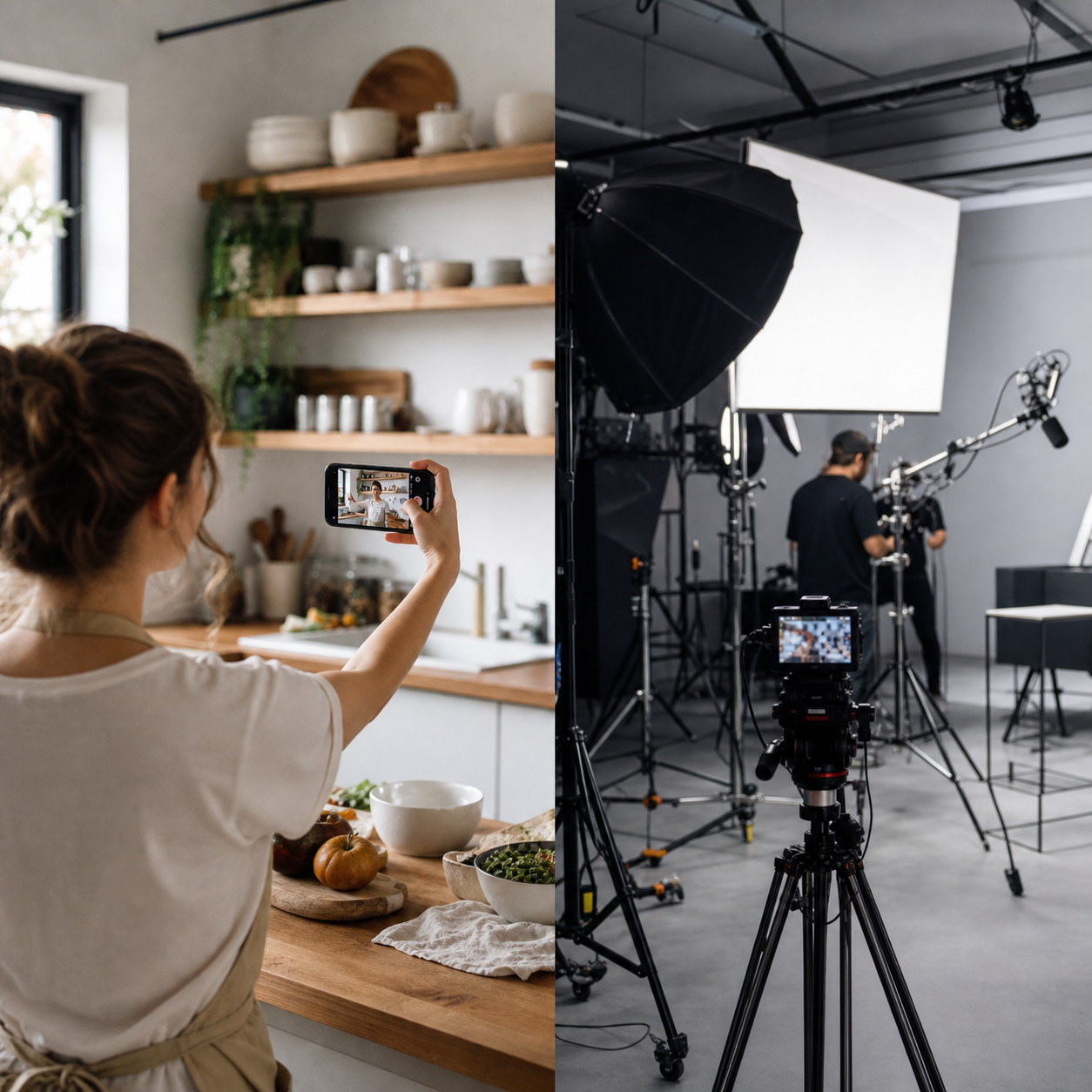
Here's what that changes for your budget:
- No crew or day rates. One creator replaces a full production team.
- No location or studio rental. A kitchen or bedroom stands in.
- No multi-day shoot. A usable clip gets filmed in a single sitting.
The cost gap between the formats is dramatic. You pay for a real person using your product, not the machinery around them.
What You Actually Pay: A Real Cost Breakdown for Low Cost UGC Video Ads
The numbers vary by how you source. Here's what a single UGC video runs in 2026:
Sourcing model | Cost per video |
|---|---|
Professional UGC creator | |
High-volume bulk / burner-account posts | $20 to $40 per post |
Produced commercial | $5,000 to $25,000 |
The math is the point. A professional creator video costs a fraction of one produced spot, and bulk models drop the per-video price further because you buy volume and let the algorithm drive reach.
Our UGC creator rates and pricing guide covers the full rate spread by creator tier and usage. Budget against the model that fits your testing goal, not a single headline figure.
The Sourcing Models: Marketplaces, Direct Creators, Agencies, and AI
Where you source UGC sets your per-video floor and how much coordination lands on your team.
- UGC marketplaces: lowest per-video cost. You browse creators, order clips, and manage briefs yourself, so cost drops but coordination stays on you.
- Direct social outreach: moderate cost, more effort. You find creators, negotiate rates, and chase deliverables across DMs, which works at low volume and breaks down as your roster grows.
- Full-service agencies: highest cost, most hand-holding. They run the process end to end, so you pay for the management layer.
- AI-generated UGC tools: cheap and fast. Tools like Arcads and Icon generate content at scale, but you trade away real-person authenticity and carry the review load to keep clips believable.
Match the model to your budget and volume, not to whichever is cheapest per clip.
How to Keep UGC Costs Low Without Killing Quality
Cheap UGC gets expensive when you pay twice for the same clip. A few levers keep spend down without dropping quality:
- Write tight briefs. Specify hook, product moments, and format upfront so creators nail it in one pass instead of billing revisions.
- Check portfolios before hiring UGC creators. Past clips tell you whether a creator can deliver ad-ready footage, not simply post.
- Negotiate ongoing collaborations. Per-video rates drop when you commit to a batch or recurring cadence.
- Buy only the rights you need. Organic delivery costs less than full usage rights you may never run as paid.
For your next campaign, work in this order: define the deliverable, vet three portfolios, lock a multi-video rate, then decide rights based on whether the clip is headed for paid.
Understanding Usage Rights and Whitelisting Fees
The clip fee buys the content. Running it as a paid ad from the creator's handle is a separate charge most first-time buyers miss.
Influencer whitelisting (letting a brand run ads from the creator's account) commonly adds a usage-rights fee of 20 to 30 percent of the base rate per month. Four factors push it higher:
- Duration: monthly renewals stack faster than a one-time grant.
- Platform scope: rights across TikTok and Instagram double the negotiation.
- Dark post access: a premium for running the ad without publishing to the creator's organic feed.
- Exclusivity: extra to block competitors in the same window.
Lock these terms in the brief before the creator shoots. Negotiate mid-campaign and pricing power moves to the creator, who now knows how much you need the rights. Budget the full ad-ready cost, not the raw clip. Our UGC creator rates and pricing guide covers full ad-ready cost breakdowns by tier.
Making UGC Ad-Ready: Scripts, Hooks, and Platform Specs
A cheap clip converts when it's built like an ad, not a diary entry. A solid UGC content strategy runs hook, problem, solution, CTA, in that order.
The first three seconds decide everything. Viewers scroll past production value and stop for a relatable opener, so the hook has to land before the clip earns any attention.
Platform specs keep the ad feeling native:
- TikTok Spark Ads: 9:16 vertical, 21 to 34 seconds, on-screen captions, Spark-ready.
- Meta Reels: 9:16, under 30 seconds, captions burned in for sound-off viewing.
- YouTube Shorts: 9:16, under 60 seconds, punchy hook in frame one.
Script the hook first, match the spec second.
Do Cheaper UGC Ads Actually Convert? The Performance Case
Cheaper input, stronger output is the counterintuitive part. The data backs it: a typical polished beauty ad lands 1.2 to 1.8 percent CTR on cold audiences while comparable UGC hits 2.4 to 3.6 percent, and the gap widens on TikTok, where studio creative often underperforms UGC ads by 40 to 60 percent on engagement.
The reason is behavioral. A founder in a hoodie talking through a product problem converts higher than a cinematic spot because relatability triggers trust a broadcast cannot.
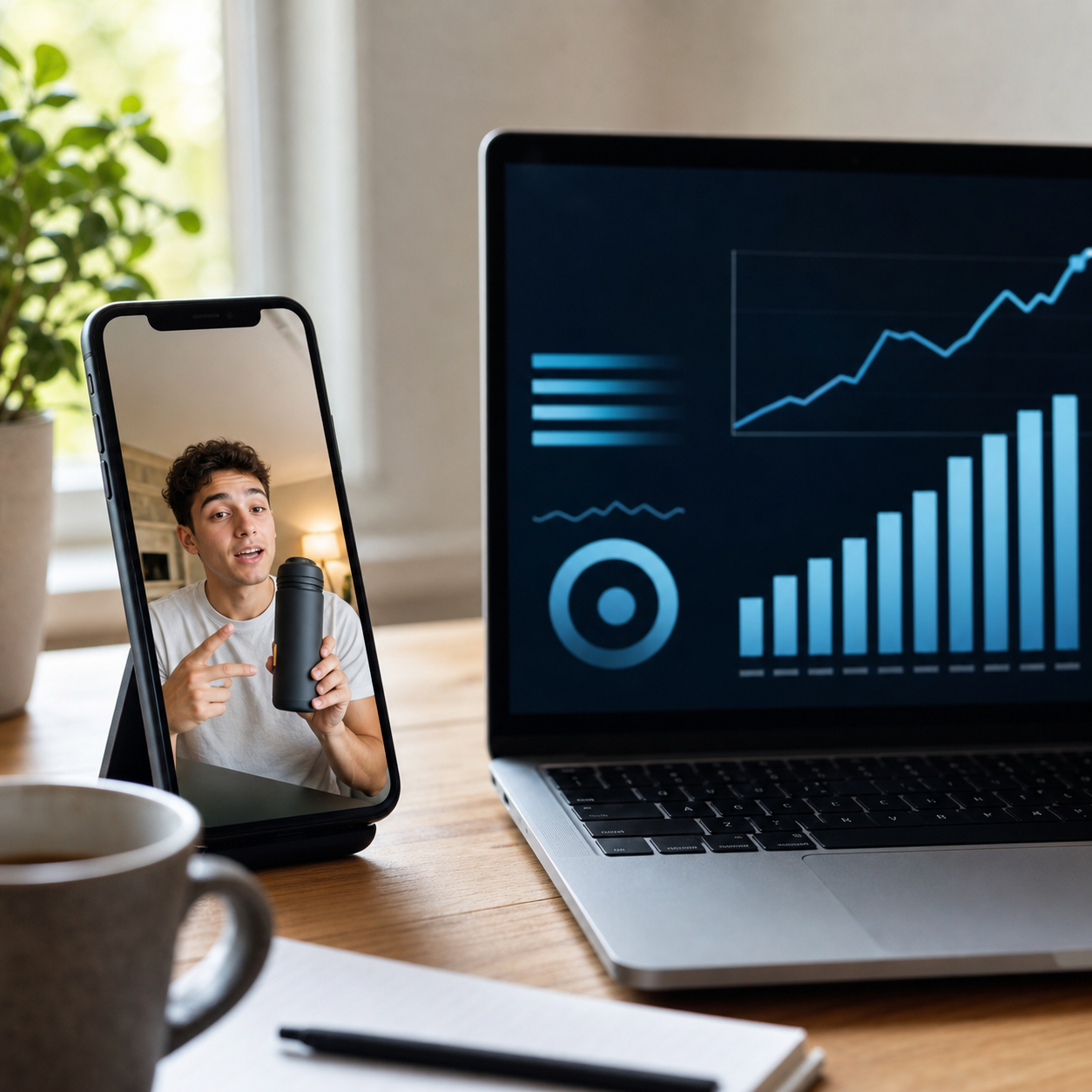
So spend the savings on more variants, not higher polish. Cheaper does not mean worse when the format itself drives the click.
Producing UGC at Volume: Testing Many Variants Affordably
One expensive asset is a single bet. Volume is a testing system. Short-form ads fatigue fast, so you need a steady stream of hooks, faces, and formats, which means knowing how to find UGC creators for your brand to keep finding winners.
Buying in bulk drops per-video cost, letting you run many variants for the price of one produced spot. Test wide, kill losers, and put spend behind the clips that already earn attention.
Common Mistakes That Make Cheap UGC Expensive
Cheap UGC turns expensive when a few avoidable errors stack up:
- Over-producing until the clip loses its native feel. Polish it past believable and it reads as a broadcast, killing the trust that made UGC convert.
- Skipping usage-rights agreements. Run a clip as a paid ad with expired or missing rights and you invite disputes and takedowns. Understanding UGC creator compensation by format helps you set these terms correctly from the start.
- Ignoring platform specs, which forces re-edits before the ad can launch.
- Vague briefs that trigger revision round after revision round.
- Whitelisting content before testing it organically, so you spend paid CPMs on clips that never proved they pull.
Treat each one as a pre-flight check. Clear all five before money moves.
How Launchpoint Delivers Ad-Ready UGC at Scale and Low Per-Video Cost
Launchpoint runs this whole process for you. We're a managed creator-marketing service that connects brands with over 93,000 verified creators and handles matching, briefing, review, and delivery, so you approve or reject and we run the rest. Winning organic clips move into paid ads through TikTok Spark Ads and Meta Partnership Ads without renegotiating rights mid-campaign, a key benefit of the best managed UGC service for TikTok, Reels, and Shorts, because whitelisting terms get locked in the brief.
The network runs about 125,000 primary creator profiles, over 93,000 verified creators, and more than 2 billion tracked post views. Pricing stays predictable on a documented 20% usage fee, and duplicate-content and duplicate-pay checks keep bulk programs cost-accurate. For the full rate breakdown, see our managed UGC service pricing guide, or read up on the best managed UGC service for brands to see how it all fits together.
Final Thoughts on Getting Affordable UGC Video Ads
Low cost UGC works because relatability converts, not because you skimped on quality. Write tight briefs, vet three portfolios, negotiate a multi-video rate, and buy only the rights you need. From there, test wide and let the winners carry your spend. Book a quick call and we can run the whole thing for you.
FAQs
What's the cheapest way to get 100+ pieces of UGC for paid ads?
Bulk sourcing models run $20 to $40 per post, which drops per-video cost far below the $300 to $700 professional creator rate because you buy volume and let the algorithm drive reach. Launchpoint runs bulk programs through a network of 125,000+ creator profiles with duplicate-content and duplicate-pay checks that keep high-volume spend cost-accurate.
Is professional UGC or AI-generated UGC from tools like Arcads better for ad-ready video?
Professional creators cost $300 to $700 per video and deliver real-person authenticity, while AI tools like Arcads and Icon generate content cheaper and faster but shift the review load onto you to keep clips believable. If relatability is what drives your conversion, a real creator is the safer buy; AI fits when you need raw volume and can vet quality yourself.
I'm tired of chasing TikTok Spark codes over DMs, so is there an easier way to run creator posts as ads?
Yes. Launchpoint locks whitelisting terms in the brief before the creator shoots, then moves winning organic clips into TikTok Spark Ads and Meta Partnership Ads without renegotiating rights mid-campaign, so you never chase codes across separate message threads.
How much do whitelisting and usage rights add on top of the clip fee?
Whitelisting commonly adds 20 to 30 percent of the base rate per month, and duration, platform scope, dark post access, and exclusivity each push it higher. Launchpoint keeps this predictable on a documented 20% usage fee, so you budget the full ad-ready cost instead of getting surprised by the whitelisting charge most first-time buyers miss.
Do cheaper UGC ads actually convert better than studio ads?
Yes, in most cases. A polished beauty ad lands 1.2 to 1.8 percent CTR on cold audiences while comparable UGC hits 2.4 to 3.6 percent, and studio creative often underperforms UGC by 40 to 60 percent on TikTok engagement, so the better move is spending the savings on more variants instead of higher polish.


