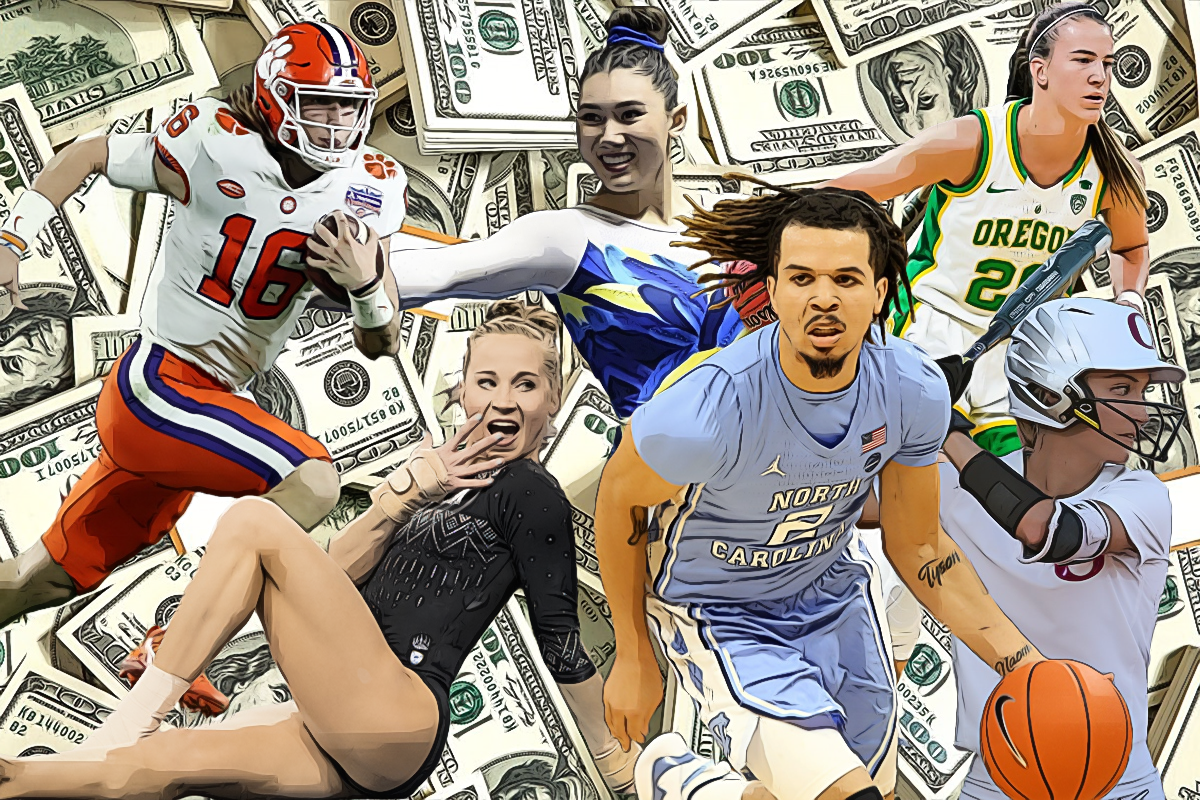
Traditional endorsement deals belonged to elite athletes with million-dollar contracts. That world ended when digital platforms for sponsorships became more profitable than waiting for agents to negotiate deals. Instagram Reels, TikTok, and YouTube Shorts give a Division II athlete the same access to brand partnerships that once required pro contracts. Brands stopped caring about your stats and started caring about your engagement rate. An athlete with 10,000 followers and 5% engagement gets paid more than one with 50,000 followers and 2% engagement. The math is simple: cost per engaged viewer determines which athletes land deals. We go deeper on why athlete-led content outperforms generic influencer posts once you move from individual posts to full programs, and the NIL deals complete guide covers the deal types and compliance basics behind those sponsorships.
TLDR:
- Athletes land sponsorships through social content, not agents. NIL deals hit $2.5B by 2026
- Creators under 5K followers drive 20% higher conversion rates than celebrity athletes
- Product placement in routine content outperforms promotional posts by avoiding algorithm flags
- Video SEO on TikTok and Instagram drives Gen Z discovery more than traditional search
- Launchpoint automates athlete partnerships at scale across 20K+ verified college creators
For captions, keywords, and on-screen wording that surfaces in TikTok/Reels search, use our on-screen text guide. For platform selection, compare this workflow with the best NIL platforms before deciding where to build your profile.
Why Athletes Turn to Social Media for Sponsorship Opportunities
Traditional endorsement deals used to belong to elite athletes with million-dollar contracts and prime-time TV exposure. That world is over.
Athletes at every level now bypass agents, scouts, and traditional gatekeepers to land sponsorships directly through their social feeds. Instagram Reels, TikTok, and YouTube Shorts give a Division II volleyball player the same access to brand partnerships that once required Olympic medals or pro contracts. The NIL market for college athletes is projected to reach $2.5 billion by 2026.
Here's what changed: brands stopped caring about stadium attendance numbers and started caring about who can move products through authentic content. A basketball player with 8,000 followers who posts workout routines three times per week has more monetization potential than a benchwarmer with a famous last name. Social channels turned personal brand building from a post-career activity into a revenue stream athletes can develop the day they join a team.
Building Personal Brands Through Content Creation
Athletes who wait for brands to find them lose. The ones who build audiences first control their earning potential.
The shift is simple: posting regularly beats waiting for contracts. A lacrosse player who shares daily training sessions, recovery routines, and game-day preparations creates touchpoints that followers return to. That consistency builds familiarity. Familiarity builds trust. Trust converts to sponsorship revenue when brands search for creators who already hold audience attention.
Behind-the-scenes content performs because fans want access, not recap reels. The warm-up ritual before a meet. The meal prep on Sunday. The ice bath after practice. These moments feel exclusive without requiring championship titles. Athletes who document their routines as naturally as they execute them attract followers who care about the person beyond just the performance.
Lifestyle posts extend reach beyond sports audiences. A runner who posts coffee shop stops or weekend trips appeals to brands outside athletic wear. That cross-category appeal multiplies partnership options.
The Trust Advantage Athletes Hold Over Traditional Influencers
Brands pay influencers for reach. They pay athletes for credibility.
The difference matters because audiences filter promotional content instantly. An influencer holding an energy drink reads as advertising. An athlete drinking it between sets reads as routine. That perceived authenticity changes performance metrics in ways most brands underestimate until they test both.
College athletes outperformed standard influencers by 1.2 times on Instagram, two times on TikTok, and 10 times on Twitter. Same content formats. Same follower counts. The only variable was whether the creator competed in a sport.
Sports require discipline, sacrifice, and visible results. Followers watch athletes train, compete, and recover. That ongoing documentation builds trust that lifestyle influencers can't replicate through curated vacation photos or fashion hauls. When an athlete recommends a protein powder or recovery tool, their audience knows they tested it under conditions that matter to performance.
Types of Sponsorship Content Athletes Create
Sponsorship content breaks into four formats, each moving buyers through different stages of the funnel.
Product placement builds awareness. The athlete wears a hat during a workout video, drinks from a branded bottle between drills, or uses headphones in travel content. The product stays on screen for at least five seconds without verbal callouts or sales pitches. The brand becomes part of the athlete's routine in content viewers watch for training tips. These posts get the highest organic reach because algorithms don't flag them as promotional. For execution detail, read our native product placement UGC guide—the same rules apply when the “creator” is rostered.
Mention content adds verbal reinforcement. "Gotta start the day right with C4" before a training montage. The athlete names the brand but keeps focus on their sport or routine. This works for consideration when audiences know the brand but need proof that real athletes use it.
Integration videos center the product in the story. A workout tutorial explaining how C4 helps push harder during the final rep. A review of recovery tools breaking down why NSF certification matters for competitive athletes. The content answers training questions while positioning the product as the solution. This format drives conversion because it answers buyer concerns before purchase.
Story posts handle direct response. Athletes post to Instagram Stories with swipe-up links, promo codes, and immediate calls to action. These get lower reach but higher intent from followers who respond to time-sensitive offers.
| Content Format | Description | Funnel Stage | Algorithm Performance | Best Use Case |
|---|---|---|---|---|
| Product Placement | Brand appears naturally in content for 5+ seconds without verbal callouts or sales pitches. Athlete wears branded gear, uses products during training, or includes items in background of routine content. | Awareness | Highest organic reach because algorithms don't flag as promotional content | Building brand familiarity with audiences who watch for training tips and lifestyle content instead of product recommendations |
| Mention Content | Athlete verbally names the brand while maintaining focus on their sport or routine. Brief callout integrated into existing content flow without detailed product discussion. | Consideration | Good organic reach with moderate promotional signals | Reinforcing brand awareness when audiences already recognize the product but need social proof from real athletes |
| Integration Video | Product becomes central to the content story. Athlete explains how the product improves performance, reviews features, or shows usage in training context. | Conversion | Moderate reach but higher viewer intent and watch time | Answering buyer concerns and showing product value for audiences actively researching purchase decisions |
| Story Posts | Direct response content with swipe-up links, promo codes, and immediate calls to action. Time-sensitive offers posted to Instagram or TikTok Stories. | Direct Response | Lower reach but highest purchase intent from engaged followers | Driving immediate conversions from warm audiences ready to purchase with incentive offers |
How Smaller Athletes Drive Higher Engagement Than Superstars
Follower count is the wrong metric. Engagement rate determines ROI.
A creator with 3,097 followers hit a 17% like rate on sponsored content. Zac Efron, with 59.5 million followers, managed 0.49% on similar posts. The smaller creator performed 35 times better per impression. Brands chasing celebrity reach pay more and convert less. The dynamic is the same outside sports—see the engagement paradox.
Creators with under 5,000 followers drive 20% higher conversion rates than larger creators. The pattern holds across sports, product categories, and content formats. Smaller audiences respond because they know the athlete personally, watch every post, and trust recommendations as peer advice instead of paid endorsements.
Niche athletes also match buyer intent better. A Division III cross-country runner promoting running shoes reaches people who actually run. A celebrity athlete promoting the same shoes reaches fans who watch sports. One audience buys. The other scrolls past.
Managing Authenticity While Fulfilling Brand Requirements
Athletes who treat every sponsorship as a paycheck burn out their audiences fast. The fix isn't choosing brands they already use, it's maintaining consistent voice across all content types.
When an athlete changes tone or vocabulary for sponsored posts, followers notice immediately. The training video promoting a recovery tool should match the training video posted last Tuesday. Same pacing. Same language. Same format.
Selective partnerships protect credibility better than posting frequency adjustments. Athletes who only endorse products already visible in their daily content create endorsements that read as confirmations. Followers who watched six months of training footage already saw the supplement before the official deal launched.
Transparency builds trust that survives promotional content. Athletes who tag posts with #ad or #partner keep follower confidence even when posting sponsored content three times weekly. Audiences accept commercial relationships when athletes stay honest about them. Hiding partnerships to appear organic fails the moment followers spot the pattern.
Analytics and Data That Drive Athlete Sponsorship Deals
Brands stopped guessing which athletes deliver ROI. They track view counts, engagement rates, audience demographics, and geographic reach before signing contracts.
Engagement rate matters more than follower count. An athlete with 10,000 followers and 500 engaged followers per post beats an athlete with 50,000 followers and 1,000 engaged followers. The first delivers 5% engagement. The second delivers 2%. Brands pay more for the smaller creator because cost per engaged viewer stays lower.
Audience demographics determine deal fit. Brands review follower age, gender split, and location before offering partnerships. A sports drink targeting college-age males won't sponsor an athlete whose followers skew 65% female or 35+ years old.
Real-time dashboards track post performance after deals launch. Athletes who understand these metrics optimize content before brands request changes, securing longer partnerships and higher base rates.
How College Athletes Changed the Sponsorship Game
NIL policy changes in 2021 created a professional creator class that redefined athlete marketing across every level of sport.
The numbers tell the story: tech brands increased NIL deal volume 29% year-over-year, with EA Sports alone offering $1,500 to over 14,000 FBS athletes. That single campaign generated more athlete-brand partnerships than existed in all traditional sports endorsements five years prior.
Student-athletes brought production standards that changed brand expectations. They film, edit, and post content without agencies or media teams. Brands can brief 100 college athletes Monday and receive approved content by Wednesday. That speed and self-sufficiency reset cost and timeline expectations for every sponsorship category.
The Role of Video SEO in Athlete Sponsorship Success
Search traffic on TikTok, Instagram, and YouTube now drives more product discovery than traditional search engines for Gen Z buyers. Athletes who optimize video scripts and on-screen text for search terms capture that traffic before competitors notice.
Two in five Americans use TikTok as a search engine. 36% treat Instagram the same way. When someone searches "best pre-workout for athletes" or "how to recover faster," the results pull videos, not blog posts. Athletes who mention those exact phrases in their content rank higher than brands posting generic promotional clips.
On-screen text optimization matters because algorithms read it. Videos with "NSF certified pre-workout" in visible text rank for certification searches. Videos with "college athlete morning routine" surface when buyers research what products real athletes use daily.
YouTube holds the biggest long-term advantage. It's the most cited domain in Google AI Overviews, which means videos train the AI models reshaping search results across every channel. Athletes creating product reviews and tutorials today position themselves in training data that determines search rankings for years.
Scaling Athlete Partnerships With Automated Creator Networks
Managing 50 athletes manually already stretches most brand teams. Managing 5,000 becomes impossible without systems that remove every process bottleneck.
The math breaks at scale. Each creator requires contracts, payment processing, product shipment, content approval, performance tracking, and tax documentation. A brand running campaigns with 100 athletes spends more time on administrative tasks than strategy.
Automated networks solve this by removing human touchpoints from repetitive tasks. When a brand launches a campaign through a verified network of college athletes, creators submit content through approval workflows that flag brand safety issues before human review. Trust scoring systems track which athletes deliver on commitments and which ones receive products but never post.
Payment processing, 1099 tax forms, and product fulfillment run automatically based on approved posts. Brands set budget parameters and approval criteria once, then the system handles execution across hundreds of simultaneous partnerships. The cost per creator drops low enough that brands can test wide creator pools, identify top performers, and scale what works.
Final Thoughts on Athletes Using Social Channels for Brand Deals
Brands that still hunt for celebrity athletes are solving last decade's problem with last decade's budget. Athletes building audiences for sponsorships deliver better ROI than the names everyone recognizes. Your competitors already figured out that 100 micro-athletes beat one celebrity deal. The question is whether you test that before or after they lock up your best creators.
FAQ
How do small athletes with limited followers compete for sponsorship deals?
Focus on engagement rate over follower count. Brands pay more for 10,000 highly engaged followers than 50,000 passive ones. Post consistently (3+ times weekly), document your actual training routine instead of only the best moments, and track your engagement metrics to prove ROI to brands reviewing partnership proposals.
What type of sponsored content performs best for athlete partnerships?
Product placement videos drive the highest organic reach because algorithms don't flag them as promotional. The brand appears naturally in your training footage for 5+ seconds without sales pitches. Save direct response content with promo codes and links for Instagram Stories where followers expect time-sensitive offers.
Can college athletes in smaller sports still land meaningful sponsorship deals?
Yes. Niche athletes often convert better than mainstream sports because their audiences match buyer intent precisely. A Division III cross-country runner promoting running shoes reaches people who actually run, while celebrity athletes reach fans who watch sports but don't necessarily buy the product.
How long does it take to build enough audience for brand partnerships?
Most athletes can start landing micro-sponsorships with 3,000-5,000 engaged followers, which takes 3-6 months of consistent posting if you share daily training routines, behind-the-scenes content, and lifestyle posts that extend beyond your sport. Brands care more about consistent engagement than total follower count.
What metrics do brands actually review before offering athlete sponsorships?
Brands track engagement rate (likes and comments divided by followers), audience demographics (age, gender, location), content format performance (Reels vs. Stories), and geographic reach. Pull these numbers from your Instagram or TikTok analytics before pitching. Brands want to see 3-5% minimum engagement rates and follower demographics that match their target customers.