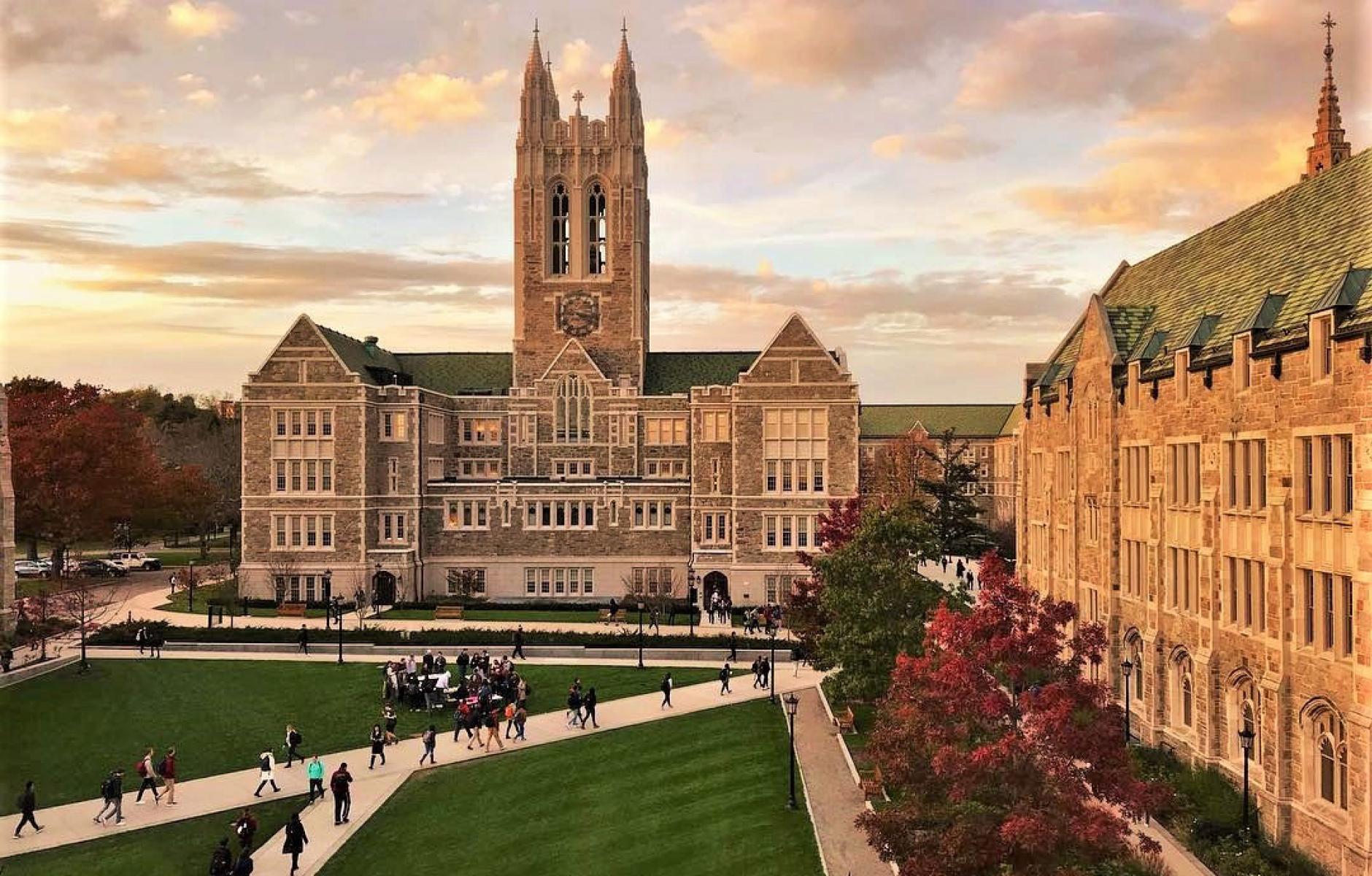
You've proven your CPG college campus marketing concept works at a few schools, but scaling to 50 campuses means managing student creators you'll never meet, tracking content you can't monitor in real time, and coordinating launches across time zones and academic calendars. Most brand teams aren't set up for that level of execution complexity, and hiring your way out of it gets expensive fast. The brands scaling successfully right now aren't doing this in-house. They're working with fully managed networks that handle contracting, briefing, content approval, payouts, and reporting end-to-end — so the brand interacts with a dashboard, not 200 individual creators. Campaigns go from intake to live in under 24 hours.
TLDR:
- Gen Z students represent $574 billion in spending power and 79% become loyal to brands tried in college
- 74% of Gen Z uses social media as their primary product discovery channel, not Google
- NIL rules let CPG brands partner with student athletes who deliver peer-level authenticity on campus
- Short-form video content drives campus awareness; creator networks scale this across multiple schools
- Launchpoint is a fully managed campaign engine with 20k+ verified student athletes across 1,000+ US colleges — brands approve content on a dashboard while Launchpoint runs contracting, payouts, and reporting
Why Gen Z College Students Are CPG's Most Valuable Demographic
Gen Z college students are forming brand preferences right now that will stick for decades. Getting in front of them early is one of the smartest moves a CPG brand can make. College represents the single most concentrated window for habit formation in a consumer's life. Students are away from family brands for the first time, making independent purchasing decisions in high-frequency categories like food, beverages, and personal care. The numbers back this up: college students represent $574 billion in annual spending power, and 79% say the brands they try in college become their long-term favorites. That brand loyalty compounds over a lifetime of purchasing decisions. A student who switches to your energy drink sophomore year could represent $15,000+ in category spend over the next 40 years, and they'll likely influence roommates, younger siblings, and eventually their own children. **The acquisition cost of winning a college student is a fraction of what you'll spend chasing them as a 35-year-old with entrenched brand habits.**
How College Campuses Function as Test Markets for CPG Products
College campuses offer something most test markets can't: a contained, high-density population with predictable purchasing cycles and genuine word-of-mouth velocity. When a CPG brand gets traction in a residence hall or campus dining corridor, it spreads fast.
That feedback loop is valuable. Brands can test SKUs, price points, and messaging with real consumers before committing to a national rollout.
Social Search Behavior Reshaping Campus Product Discovery
Gen Z students don't Google products anymore. They search TikTok and Instagram first, and 74% of Gen Z uses social media as their primary product discovery channel. That number alone should change how CPG brands think about campus visibility.
If your brand isn't showing up in social search results, you're invisible to this audience before the consideration phase even starts.
The NIL Revolution Creating Authentic Campus Brand Ambassadors
NIL opened something traditional sponsorships never could: creators embedded in your customer's daily life, on the same campus, in the same dining halls and weight rooms. The network behind this spans 20,000+ verified student athletes across 1,000+ US colleges and 35+ sports — present in every major advertising market in the country.
One in 5 Gen Z adults has made a beauty purchase influenced by an athlete. On campus, that influence concentrates further. When a student athlete posts about a CPG product they actually use, it reads as a teammate recommendation, not a sponsored post. That's the gap between a managed athlete network and a generic creator marketplace — depth of authentic small-to-mid creators beats a handful of big names every time.
Building Campus Awareness Through Video-First Content Strategies
Short-form video is the default content format for Gen Z. On college campuses, where students spend hours daily consuming TikTok and Instagram Reels, CPG brands that skip video get skipped entirely.
The playbook is straightforward: create content that feels native, not advertorial. Student creators who already have campus audiences will always outperform polished brand spots here.
Geographic Targeting and Regional Campus Activation Strategies
Not every campus delivers equal returns. A brand running the same activation at a Big Ten school and a small liberal arts college should expect wildly different results, and treating them the same is how budgets get wasted.
The smarter approach is tiered geographic targeting: anchor your spend at high-density state schools, then test selectively at regional campuses where category competition is lower.
Scaling College Campus Marketing with Creator Networks
Running a creator network across dozens of campuses is where most CPG brands hit a wall. Brands that try to manage this in-house end up running their entire creator program out of Slack or Discord — chasing creators for posts, answering the same onboarding questions 50 times, manually approving content, sending payouts, and collecting tax forms across dozens of independent contractors. It eats marketing teams alive. The brands getting the best results aren't building this infrastructure themselves. They're partnering with networks that already have vetted campus creators in place and ready to activate. For CPG brands with retail distribution, Launchpoint's Drive-to-Retail product is built for exactly this: geo-targeted athletes receive briefs to visit specific store locations, post about the product from inside the store, and geo-tagging is tracked — so brands get both campus awareness and in-store proof of purchase mapped against their retail footprint, across hundreds of campuses simultaneously.
| Marketing Approach | Execution Model | Reach Per Campaign | Content Authenticity | Time to Scale |
|---|---|---|---|---|
| In-House Campus Ambassadors | Brand team recruits, contracts, and manages individual students at each target campus — handling onboarding, briefing, content approvals, payouts, and tax forms directly | 1-3 campuses before coordination overhead breaks the team | High if students genuinely use the product; drops fast when the relationship feels transactional | 3-6 months per new campus cohort |
| Traditional Influencer Agencies | Agency books macro-influencers for campus visits or one-time sponsored posts — brand pays for reach, not peer credibility | Wide social reach but minimal real campus penetration | Low — audiences recognize paid celebrity endorsement and discount it against peer recommendations | 2-4 weeks per single activation |
| Event Marketing Firms | Company runs tabling, sampling, or pop-up experiences at campus locations — one-time physical touchpoints with no ongoing creator relationship | 100-500 students per event depending on foot traffic | Medium — students get physical product trial but no ongoing peer endorsement layer | 4-8 weeks per event cycle |
| Student Athlete Networks (Launchpoint) | 20k+ verified NIL athletes across 1,000+ US colleges post authentic content from campus environments. Launchpoint runs all contracting, briefing, content review, payouts, and 1099s — brands interact with a dashboard and approve or reject content. For CPG brands, Drive-to-Retail geo-targets athletes to specific store locations, capturing in-store proof of purchase mapped against your retail footprint. That's the full surface area on the brand side. | 20,000+ verified student athletes across 1,000+ US colleges, 35+ sports, deployable across 50+ campuses in a single campaign window | High — athletes post as trusted peers inside campus social circles. Creators under 5,000 followers drive 20% higher conversion than larger creators — a 3,097-follower athlete hit a 17% like rate vs. Zac Efron's 0.49%, a 35x engagement gap. | Under 24 hours from intake to live, across 50+ campuses simultaneously |
| Micro-Influencer Platforms | Self-service software connects brands with creators who apply for campaigns — brand team still manages briefs, approvals, and creator communication directly | Variable — depends on creator applications and campus coverage gaps in the platform's network | Medium — relies on the right creators finding and applying to your brief, with no guaranteed campus coverage | 2-6 weeks depending on application volume |
Final Thoughts on CPG Marketing Strategy for College Audiences
CPG college campus marketing delivers returns when you stop treating students as a side channel and start treating them as your most valuable long-term acquisition. The data is clear: get a student to try your product in college and you've likely won them for life. C4 Energy — the largest privately held nutrition company in the world — ran this playbook through Launchpoint's Drive-to-Retail product and generated 80M+ organic views at a $1.62 CPM across 535 campuses. 4K+ athletes posted from convenience stores, gyms, and game-day locations — 11K+ posts (2.7K feed posts, 8.7K stories), all organic, zero paid media. Launchpoint handled every brief, approval, payout, and 1099. The brand ran the campaign from a dashboard. Most CPG brands know students matter but still run campus programs like afterthoughts — one-off events, no creator infrastructure, no compounding returns. The brands winning right now have stopped building this in-house. If you want a system that scales across campuses without eating your team alive, schedule 30 minutes here.
FAQ
What's the best CPG college campus marketing approach for reaching Gen Z students in 2026?
Video-first content using student creators delivers the highest returns because 72% of Gen Z prefers learning about products through short-form video. Partner with campus-based creators who post authentic product integrations on TikTok and Instagram, where students actually search for products, not polished brand ads that get ignored.
Can I run a college campus brand campaign without building influencer relationships at every school?
Yes, but only if you work with a fully managed network that has verified student athletes already in place. Managing individual relationships across 20+ campuses means chasing posts, answering onboarding questions repeatedly, manually approving content, sending payouts, and collecting tax forms — it eats marketing teams alive. Successful CPG brands outsource this entirely: brands interact with a dashboard, approve or reject content, and Launchpoint handles the rest across 1,000+ US colleges.
How does consumer packaged goods college strategy differ from traditional campus marketing?
CPG college strategy focuses on habit formation during the critical window when 93% of students try new brands and 79% form long-term preferences. Instead of one-off activations, winning CPG brands treat campuses as test markets where density and word-of-mouth velocity let them validate products before national rollout.
NIL athletes vs traditional campus influencers for brand on campus social campaigns?
NIL athletes carry peer credibility that outside influencers can't match because they live in the same dorms, eat in the same dining halls, and train where students gather daily. When a student athlete posts about a product they genuinely use, it reads as a teammate recommendation, not a sponsored post. One in five Gen Z adults has made a purchase influenced by an athlete. The conversion numbers back it up: creators under 5,000 followers drive 20% higher conversion than larger creators, and in one direct comparison, a 3,097-follower athlete hit a 17% like rate versus Zac Efron's 0.49% — a 35x engagement gap — because the audience trusts the source.
When should a CPG brand scale from one campus to regional activation?
Scale after you've validated content-market fit at a single high-density campus and hit consistent engagement benchmarks. Test tiered geographic targeting: anchor spend at Big Ten or SEC schools for volume, then expand to regional campuses where category competition is lower and cost per acquisition drops considerably.