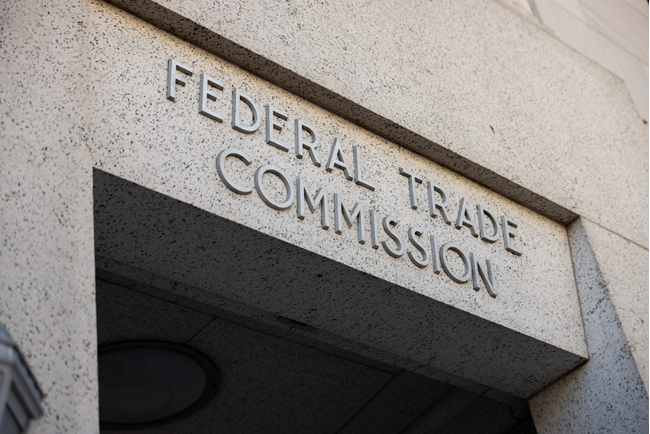
You approved 40 posts last month. Half went live with "#ad" above the fold, clean and compliant. The other half buried it, skipped it, or swapped it for vague language like "#collab." Each failure is a separate violation under FTC rules, brand liability for influencer disclosure applies to both you and the creator, and the penalty per violation sits above $50,000. A campaign carrying dozens of creators can stack into seven-figure exposure before the disclosures get fixed. Here's what counts as a material connection, where the compliance obligation actually sits, and what monitoring infrastructure needs to look like when you're managing more than ten creators at once.
TLDR:
- Brands and creators share FTC liability for missing disclosures; contracts don't protect you.
- Penalties run $51,744 to $53,088 per violation, and each undisclosed post counts separately.
- App tags alone fail FTC requirements; you need both the tag and "#ad" in the caption.
- Past 10 creators, manual compliance checks break down; 28% of sponsored posts lacked disclosure in 2024.
- Launchpoint runs disclosure verification as a hard approval gate before any post publishes.
What Counts as a Material Connection Under FTC Rules
A material connection exists whenever something of value passes between your brand and a creator, and the relationship would not be obvious to someone watching the post. That covers payment, free product, discounts, affiliate commissions, employment ties, and personal or family relationships, and the threshold is lower than "material" suggests: a box of free product shipped to a creator is enough to put the obligation in motion.
For the full list of triggers and how the disclosure standard is applied, our FTC's guidance for social media influencers covers the mechanics. What matters here is where that obligation lands once the connection exists, which is the subject of the next section.
Shared Liability Between Brands and Influencers
Here is the part that lands on you, not the creator: liability does not move down the chain when a disclosure fails. Both the advertiser and the creator can be held responsible, and the FTC's endorsement guides put the disclosure obligation on both parties to the deal. The hosting app carries none of it. As the advertiser, you are on the hook for every post you paid for, whether or not you ever saw the caption.
A contract that assigns disclosure duty to the creator feels like protection. It is not. If you failed to instruct the creator on what to disclose, failed to monitor whether the disclosure ran, or failed to correct a post that buried it, the contract does nothing to insulate you. The FTC reads silence on your end as your own failure, separate from the creator's.
The exposure is joint, and the brand-side number is the one that scales. A creator who skips "#ad" creates risk for the brand that paid them, and pointing at a signed agreement does not reassign the penalty. One missed tag is a single creator's problem; fifty missed tags across your roster is your problem, and the per-violation math runs against your post count, not theirs.
The Three Brand Duties That Carry Enforcement Risk
The FTC does not measure compliance by intent. It measures what you, the brand, did before, during, and after a post went live. These are brand obligations, separate from whatever the creator owes on the disclosure itself (the mechanics of writing a clear and conspicuous disclosure live in our FTC disclosure guide). Three duties carry the enforcement weight, and skipping any one separates a brand that looks negligent from one that can show good faith.
- Provide upfront guidance. Give creators written disclosure guidelines before launch, so the obligation is spelled out instead of left to creator judgment.
- Monitor live posts. Once content runs, check whether the disclosure appears and reads clearly across every creator.
- Enforce corrections. When a post buries or omits the disclosure, fix it or pull it down.
Pre-approval ties the first two together. Build disclosure verification into your review. Catching a missing "#ad" before publish beats hunting for it across dozens of profiles afterward.
A team that is not checking reads as willful negligence. The brands that paid the steepest penalties were caught not looking.
FTC Penalty Structure and Recent Enforcement Actions
Civil penalties run between $51,744 and $53,088 per violation as of 2025, making understanding UGC pricing and budget allocation critical. That figure is per violation, not per campaign. A campaign carrying dozens of non-compliant posts across multiple creators can stack into seven-figure liability before anyone notices the disclosures are missing.
Ten creators each running five undisclosed posts is fifty separate violations, and at the top of the range that is over $2.6 million in exposure from one activation.
Recent FTC enforcement actions have ranged from $5,000 to over $250,000 per violation. One celebrity influencer was fined over $1.26 million for promoting a cryptocurrency without disclosing a paid relationship, which shows why TikTok creator pricing should account for compliance risk.
| Enforcement signal | Figure |
|---|---|
| Civil penalty per violation (2025) | $51,744 to $53,088 |
| Recent per-violation settlements | $5,000 to $250,000+ |
| Crypto promotion fine (single creator) | $1.26 million+ |
Read the per-violation number against your post count, and the exposure stops looking like legal abstraction.
Consumer Class Actions Against Brands for Undisclosed Partnerships
FTC penalties are one track. Consumer lawsuits are the other, and they run on a separate clock with separate math. In April 2025, Revolve was named in a $50 million consumer class action for paying creators to promote products without adequate disclosure. Shein faces a separate suit seeking over $500 million, where plaintiffs allege creators omitted disclosures or buried them inside dense hashtag stacks, making creator rates only part of the total cost equation.
The theory of harm is the part that should worry a CMO. Plaintiffs argue that hidden sponsorships tricked customers into paying a premium by making paid endorsements look organic. These influencer marketing class actions lean on the same Endorsement Guides the FTC enforces, so one disclosure failure opens two fronts at once.
What Makes a Disclosure Clear and Conspicuous
The legal bar is two-part: a disclosure must be hard to miss and easy for an ordinary consumer to grasp. The FTC's finalized guidance adds that on interactive media like social, the disclosure has to be unavoidable.
Language matters. "#ad" and "Sponsored by [Brand]" pass. "#partner," "#collab," and "#ambassador" do not, because they assume a media-savvy reader.
Placement carries equal weight. On mobile, Instagram shows only the first three lines before "more," so the disclosure belongs above that cutoff, which also matters for whitelisted creator content. A tag buried in a hashtag string does not count as clear, which also affects UGC ads used in paid media.
Common Disclosure Failures That Trigger FTC Enforcement
The failures that draw enforcement are repetitive. Four show up again and again.
- App tags used alone. Instagram, TikTok, and YouTube paid-partnership labels do not satisfy disclosure by themselves. The fix is both signals: the app tag plus "#ad" or "paid partnership" in the caption. Most posts lean on the tag and skip the caption line.
- Buried hashtags. Even with "#ad," influencer marketing class actions argue it failed because it sat deep in a long caption, wedged between tags, or fused onto another word like "#ClothingAd."
- Vague language. "#collab" and similar terms assume a reader who already knows the deal.
- Video with no spoken or on-screen disclosure. A caption tag does nothing for a viewer who never reads it.
In your brief, require the app tag and in-caption language together. Reject any draft carrying one without the other.
Compliance Infrastructure at Scale
Spot-checking a handful of posts works until it doesn't, and the breaking point comes lower than most teams expect. Past ten creators posting concurrently across TikTok, Instagram, and YouTube, manual checks stop being reliable, which is why how brands hire UGC creators at scale matters. One analysis found that 28% of sponsored Instagram posts lacked proper FTC disclosures in 2024, and that gap widens as creator count climbs, which is why choosing the best micro influencer platforms means evaluating compliance systems.
Past that threshold, compliance has to live in the operating system. Four pieces carry it:
- Pre-approval workflow. No post publishes until disclosure language is verified, so the check happens before reach, not after.
- Monitoring cadence. A fixed schedule confirming live posts still carry the disclosure, since creators sometimes edit captions after approval.
- Remediation protocol. A defined path to correct or pull a non-compliant post, with response times documented.
- Audit trail. A record of the guidance you issued, what you approved, and when, so you can show good faith if the FTC asks.
Brands that scale past 50 creators without these systems accumulate exposure they cannot see, which is why finding the right UGC creators is only half the battle.
Contract Language That Allocates Disclosure Responsibility
A contract does not move liability off your books, but it sets documented expectations and gives you a representation to point to when a creator breaches. Four clauses carry the weight.
- Disclosure warranty. The creator warrants that all content complies with FTC influencer guidelines, including clear and conspicuous disclosure of the material connection, so a missed "#ad" becomes a breach you can act on when you hire UGC creators.
- Monitoring consent. The creator acknowledges that you will review published content for compliance, recording your monitoring duty in writing and putting them on notice that posts get audited.
- Remediation rights. A defined path to edit or pull a non-compliant post on demand.
- Indemnification. The creator covers losses tied to their own disclosure failure.
How Launchpoint Enforces Disclosure Compliance Automatically
Everything in the prior sections lands on one team, usually a small one, checking captions by hand. We built the alternative into the workflow itself.
Disclosure verification runs as a hard gate in our approval process. Content does not publish until AI screening plus human review confirm the disclosure is present, clear, and unburied. The three duties that break teams at scale (instruct, monitor, enforce) get absorbed into the operating layer instead of sitting on your headcount.
Here is how the pieces map:
- Contracting carries explicit disclosure language before a creator shoots.
- Briefs spell out the tag plus in-caption requirement.
- AI screening flags vague or buried disclosures pre-approval.
- Human review catches what the screen misses.
- Only compliant content clears to publish, and the record stays documented for an audit.
You approve or reject. We carry the gate.
Final Thoughts on FTC Compliance Infrastructure for Creator Marketing
Brand liability for influencer disclosure does not move down the chain when a creator skips the tag, and civil penalties run per violation, not per campaign. Past ten creators posting concurrently, manual compliance checks stop being reliable. Schedule a walkthrough if you want to see how the three duties (instruct, monitor, enforce) get absorbed into the approval workflow instead of sitting on your headcount. The gate holds before reach, not after.
FAQ
Can a brand be fined even if the influencer signed a contract saying they'd handle disclosures?
Yes. The FTC holds both the brand and the creator responsible for disclosure failures, and pointing to a signed contract does not eliminate your liability. If you failed to provide written disclosure guidelines upfront, failed to monitor whether the disclosure actually appeared, or failed to correct a post that buried or omitted it, the contract offers no protection: the FTC views those as separate brand failures regardless of what the creator agreed to.
What's the actual penalty exposure if you're running 50 creators and disclosures fail?
Each undisclosed post counts as a separate violation at $51,744 to $53,088 per violation. Ten creators each running five non-compliant posts is fifty violations, which at the top of the range is over $2.6 million in exposure from a single campaign. The penalty math scales with post volume, not campaign count, so the exposure climbs fast when you're coordinating creators at scale.
FTC penalties vs consumer class actions for disclosure failures?
They run on separate tracks. FTC penalties are civil enforcement actions that hit per violation, while consumer class actions argue buyers paid a premium because hidden sponsorships made paid endorsements look organic. Revolve faced a $50 million consumer suit and Shein a $500 million suit, both separate from any FTC action. One disclosure failure opens you to both fronts simultaneously, with different timelines and different damage calculations.
Launchpoint disclosure compliance vs manual review at scale?
We enforce disclosure verification as a hard gate in the approval workflow: content does not publish until AI screening plus human review confirm the disclosure is present, clear, and unburied. You approve or reject content; we carry the three-part FTC obligation (upfront guidance, live-post monitoring, and remediation) automatically across every creator without manual caption checks, so compliance runs as infrastructure instead of a post-by-post audit your team has to staff.
What makes a disclosure "clear and conspicuous" under FTC rules?
The disclosure must be hard to miss and easy for an ordinary consumer to grasp. Language like "#ad" and "Sponsored by [Brand]" pass; "#partner," "#collab," and "#ambassador" do not because they assume media literacy. Placement matters equally: on mobile Instagram shows only the first three lines before "more," so the disclosure belongs above that cutoff, and a tag buried in a hashtag string or fused onto another word like "#ClothingAd" does not count as clear.